Need home concrete driveways in Snoqualmie?
Tell us about your driveway or patio project. Send the request form, or email contact@ricebranch.living. A local provider in our network can follow up with an estimate.
No obligation
New concrete driveways and patios in Snoqualmie
Request an estimate today
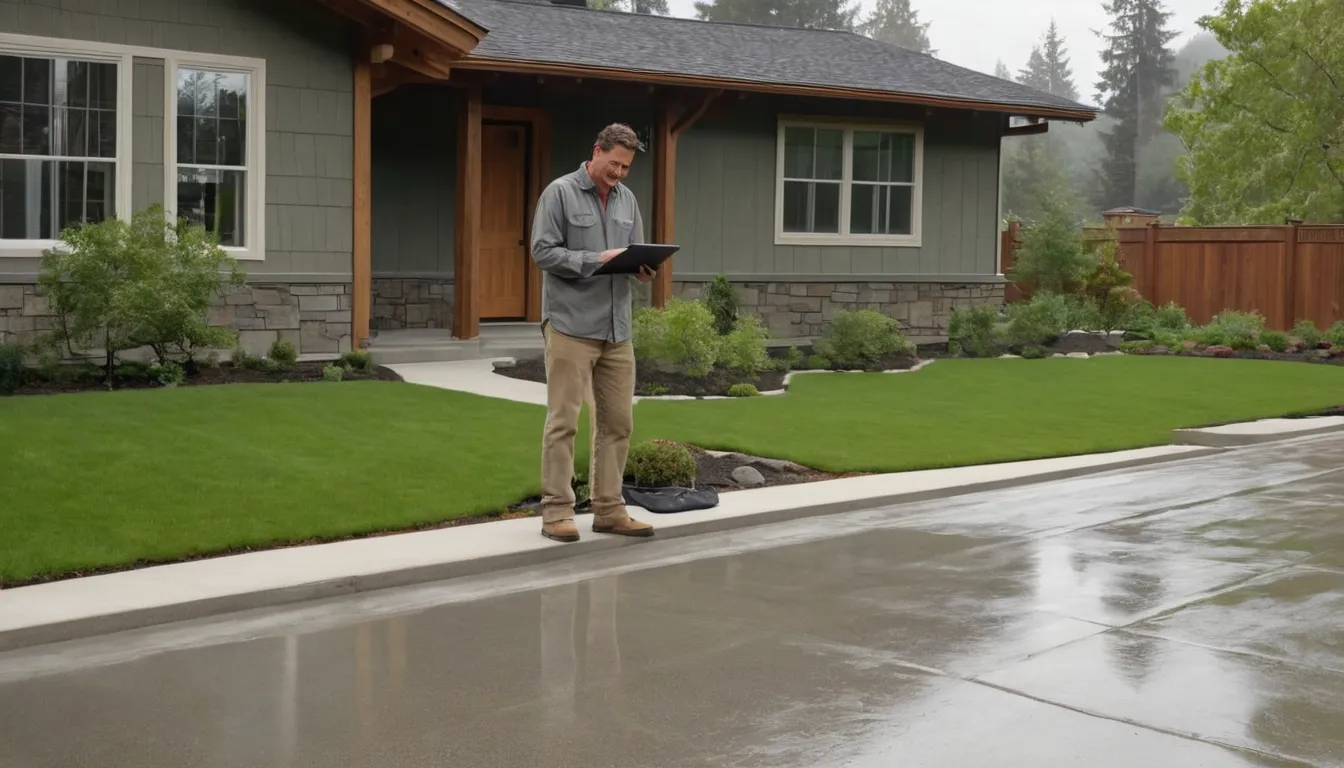
A driveway rarely fails all at once. First you see a crack. Then a low spot that holds water. Then a slab that tilts. Each sign tells you the ground or the concrete is giving way. If you read the signs early, you can plan a new driveway on your schedule.
Ricebranch Concrete is a referral service. It does not pour concrete. It connects you with independent providers in our network who do concrete flatwork (flat concrete like drives, walks and patios) near Snoqualmie. You request an estimate, compare written quotes and pick the provider that fits. There is no obligation, and the choice is yours.
Most driveways give hints long before they break. Hints add up. When they do, a new driveway often costs less than a string of patches. This page shows what to look for and what to ask.
A slab that dips or tilts has lost the soil under it. Water usually causes this. A long wet season softens the ground, and slabs settle. Tilted edges also trip people. Treat this sign as the most urgent one.
Puddles that stay after the rain stops mean the slope is wrong. Water should run away from your home. Many wood-frame homes sit over crawl spaces, the low, damp area under the floor. Water there causes rot and mold. If you also see cracks in the foundation wall, ask foundation repair experts to look at it. That is a different trade from driveway work.
Thin hairline cracks are common and often harmless. Wider cracks are not. If you can slide a coin into a crack, watch it. If cracks branch like a spider web, the slab is failing.
A surface that peels or shows bare stone is wearing thin. Moss and damp make it worse. They hold water on the slab and make it slick.
Concrete driveway repair fits small problems. Think of one chipped edge or a few thin cracks. This site focuses on new driveways, so here is a simple rule. If damage has spread across many slabs, or a slab has sunk, patching only hides the problem. A new driveway fixes the cause.
A good quote lists each step. Look for these:
Measure how many cars you park and how wide you want to turn. Most home driveways are about four inches thick. Heavy trucks or RVs call for five or six. Ask the provider what thickness they plan to pour and why.
For finish, a brushed (broom) texture gives grip when the surface is wet. That matters in a rainy climate. Smooth finishes look clean but get slick.
A driveway should tilt gently away from the house and garage. Ask where the water will go. Also ask how the provider will handle runoff near neighbors and the street.
The apron is the part of the driveway between the sidewalk or curb and your lot. It often sits on public land. Many cities set strict rules for it, and some require a permit. Ask who pulls the permit and who pays the fee. Get the answer in writing.
Concrete needs a dry window to set well. Providers may watch the forecast and cover fresh work. Windstorms can also toss debris onto wet concrete. Ask how they protect the slab and what happens if rain delays the job.
Ask, then compare. Here are good questions and what a solid answer sounds like:
Be careful if someone asks for full payment up front. Be careful if a quote is only a number with no detail. Pressure to decide today is another warning. A fair provider lets you compare.
Keep people and pets off the slab for a couple of days. Wait about a week before parking cars. Concrete keeps gaining strength for weeks. Sealing helps shed water and slows moss. Ask the provider for care tips and when to seal.
Request a callback to check provider availability, or send a request through the form. Share your driveway size and what you have noticed. Then compare written quotes at your own pace.
The provider breaks up the worn driveway and hauls the pieces away before new work starts.
Crews shape the ground and pack gravel so water drains and the slab stays level.
Wood frames set the edges. Steel bar or mesh helps hold the slab together.
Concrete is poured, smoothed, textured for grip and cut with joints. Sealing comes after curing.
These are typical U.S. ranges. Your price depends on size, slope, access and local rules. Always get a written quote that lists each item.
| Item | Typical range | Notes |
|---|---|---|
| Removing the old slab | $1 – $3 per sq ft | Thicker or reinforced concrete costs more to break up. |
| Grading and gravel base | $1 – $3 per sq ft | Soft or wet ground may need extra base. |
| New plain concrete driveway | $6 – $12 per sq ft | Includes pour and basic finish. Thickness changes the price. |
| Typical two-car driveway | $4,000 – $10,000 | Size and site access drive the total. |
| Steel bar or mesh | $0.50 – $1.50 per sq ft | Often added to the quote as a separate line. |
| Permit and apron work | $100 – $2,000 | Rules and fees vary by city. |
Walk your driveway. Write down cracks, low spots, tilted slabs and where water sits.
Share your driveway size and photos. Ricebranch Concrete matches you with a local provider in our network.
Check thickness, base, permits and timing. Ask questions until every line makes sense.
Pick a provider and confirm a date, with a backup plan in case rain delays the pour.
Learn which warning signs matter before you spend money, so you can plan instead of rushing.
Independent providers in our network know the wet climate, soft soil and local permit rules.
Ask more than one provider for a written quote so you can compare scope, thickness and timing.
Requesting an estimate carries no obligation. You decide if and when to move ahead.
Tell us about your driveway or patio project. Send the request form, or email contact@ricebranch.living. A local provider in our network can follow up with an estimate.
Look for sunken or tilted slabs, wide cracks that branch, a crumbling surface and water that pools. One thin crack may only need a patch. Many problems at once usually point to replacement.
Most home driveways are about four inches thick. Heavy trucks, RVs or soft soil may call for five or six inches. Ask each provider what thickness they plan and why, and get it in writing.
Often, yes, especially for the street apron, which is the part near the curb. Rules vary by city. Ask the provider who handles permits and fees, and check that it is listed in the quote.
Tell us about your driveway or patio project. Send the request form, or email contact@ricebranch.living. A local provider in our network can follow up with an estimate.
No obligation